Dental Bridges in Korea | Affordable Restorative Dentistry in Seoul

Korea is one of the top destinations in Asia for affordable, high-quality dental care. Thousands of international patients travel to Seoul each year to restore their smiles at a fraction of the cost they would pay at home. If you are missing one or more teeth, a dental bridge in Korea could be the smart, cost-effective solution you have been looking for.

What is a Dental Bridge?

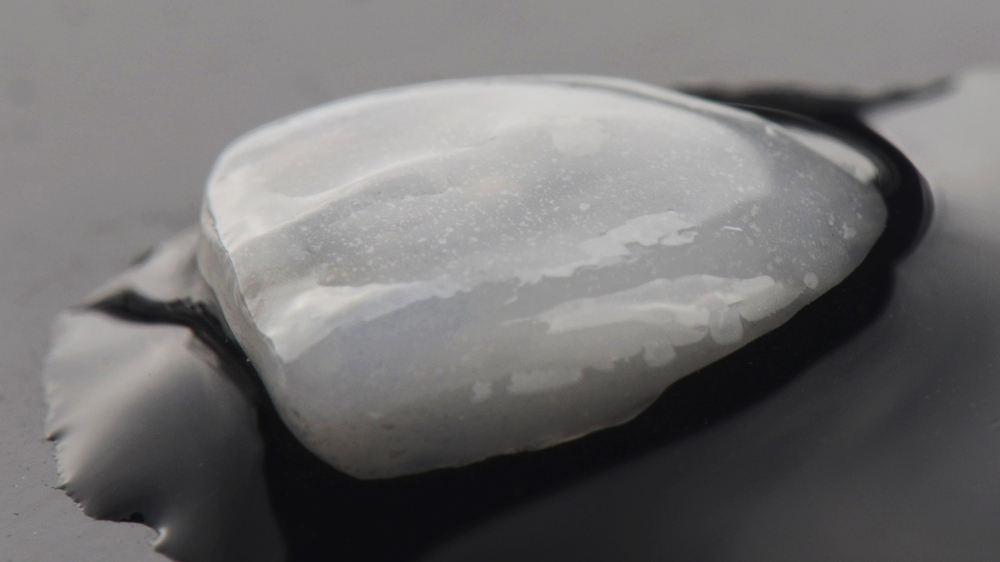
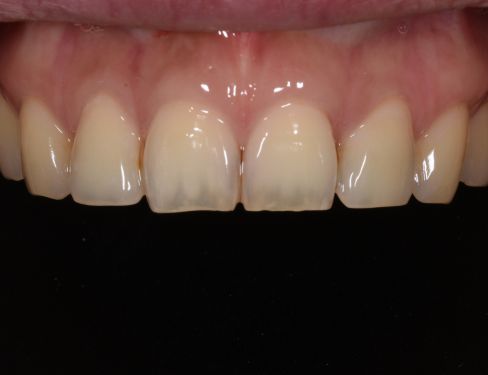
A dental bridge is a fixed restoration that fills the gap left by one or more missing teeth. It works by anchoring an artificial tooth — called a pontic — to the natural teeth or implants on either side of the gap. The result looks and functions like a natural tooth. For patients seeking other restoration options, dental korea clinics also offer complementary treatments like dental bonding for smaller gaps.

  • Restores your smile and improves your overall appearance
  • Prevents shifting of surrounding teeth into the empty space
  • Restores chewing and speaking ability quickly and comfortably

Types of Dental Bridges Offered in Korea

Korean dental clinics offer several types of bridges to suit different needs and budgets.

  • Traditional Porcelain-Fused-to-Metal (PFM) Bridge: The most common and affordable option. A metal base is covered with tooth-colored porcelain for a natural look.
  • Full Zirconia Bridge: Made entirely from zirconia ceramic, this option is stronger, more durable, and looks very natural. It is metal-free and ideal for patients with metal sensitivities.
  • E-max (All-Ceramic) Bridge: Made from lithium disilicate, this bridge offers outstanding aesthetics and is best suited for front teeth where appearance is most important.
  • Implant-Supported Bridge: Instead of using natural teeth as anchors, this type is supported by dental implants on each end. It is the most stable long-term solution and does not require grinding down healthy teeth.

Why Choose Korea for Dental Bridges?

Korea has built a strong international reputation for dental tourism, and for good reason. The country’s clinics utilize cutting-edge technology such as best laser korea systems for precision work, ensuring optimal results across all restorative procedures.

  • Significantly lower costs compared to the United States, Australia, and the United Kingdom — often 50 to 70 percent less
  • Highly trained dentists with many holding international certifications and advanced postgraduate degrees
  • Modern technology including digital scanning, CAD/CAM milling, and same-day fabrication in many clinics
  • Premium materials sourced from leading global dental laboratories
  • English-friendly services in Seoul, with coordinators who help international patients through every step

Cost of Dental Bridges in Korea

Prices vary depending on the material used, the number of units in the bridge, and the clinic location. Below are general price ranges to help you plan your budget.

  • Porcelain-Fused-to-Metal (PFM) Bridge (per unit): ₩300,000 – ₩500,000 (approximately $220 – $375 USD)
  • Full Zirconia Bridge (per unit): ₩500,000 – ₩800,000 (approximately $375 – $600 USD)
  • E-max All-Ceramic Bridge (per unit): ₩700,000 – ₩1,000,000 (approximately $525 – $750 USD)
  • Implant-Supported Bridge (full structure): ₩2,500,000 – ₩5,000,000 (approximately $1,875 – $3,750 USD)

A standard three-unit bridge replacing one missing tooth typically requires three units total — one pontic and two crowns for the anchor teeth. Always request a detailed quote after your initial consultation at a seoul clinic for foreigners specialists. Those interested in aesthetic enhancements alongside bridge work may explore options like a veneer korea guide to achieve a more comprehensive smile makeover.

What to Expect During and After

The process for getting a dental bridge in Korea usually takes two to three visits over five to seven days — ideal for medical tourists on a short trip. On your first visit, the dentist will examine your teeth, take digital scans or X-rays, and prepare the anchor teeth by reshaping them slightly. A temporary bridge is placed while your permanent bridge is being made. On your second or third visit, the finished bridge is fitted, adjusted, and cemented into place. Most patients experience mild sensitivity for a few days after the procedure, which fades quickly.

Follow-up and Results

A well-made dental bridge can last ten to fifteen years or longer with proper care. Your dentist will give you detailed instructions on how to clean around and under the bridge using floss threaders or interdental brushes. Many Korean clinics provide follow-up support via email or messaging apps, so you can ask questions even after you return home. To maintain your bridge’s appearance and brightness over time, you may want to see details about professional whitening treatments available at Seoul clinics. If you experience any discomfort after your trip, your dentist can communicate with a local provider on your behalf.

Conclusion

Getting a dental bridge in Korea offers excellent value without compromising on quality. With access to skilled dentists, modern equipment, and top-grade materials at prices far below Western rates, Korea is a practical and reliable choice for restorative dental care. Whether you need a simple three-unit bridge or a full implant-supported restoration, Seoul’s dental clinics are well equipped to meet your needs.

Ready to restore your smile? Contact us today on WhatsApp for a free consultation. Share your dental records or photos and we will connect you with a trusted English-friendly clinic in Seoul, provide a personalized cost estimate, and help you plan your trip from start to finish.