“`html
Korea is one of the top destinations in the world for advanced dental implant surgery, including zygomatic implants. Patients travel from across Asia, the Middle East, and the West to access high-quality care at a fraction of the price they would pay at home. If you have severe bone loss in your upper jaw, a zygomatic implant in Korea could be the solution you have been looking for.
What is a Zygomatic Implant?
A zygomatic implant is a long dental implant that anchors into the cheekbone (the zygoma) instead of the upper jawbone. This makes it an ideal option for patients who do not have enough bone in the upper jaw to support traditional implants. It is a well-established surgical technique used when standard implants or bone grafting are not possible or not preferred.
- No bone graft needed: Zygomatic implants skip the need for bone grafting, saving you time and additional surgery.
- Faster full-arch restoration: Patients can often receive a full set of teeth on the same day or shortly after surgery.
- Long-term stability: The cheekbone is dense and strong, providing a highly stable base for the implant.
Types of Zygomatic Implants Offered in Korea
Korean clinics and hospitals offer several approaches to zygomatic implant placement depending on your anatomy and clinical needs. Leading providers like ultherapy korea centers also integrate advanced aesthetic treatments alongside implant procedures.
- Classic Zygomatic Implant: The original technique where the implant passes through the sinus cavity into the cheekbone. It is widely used and has a long track record of success.
- Extra-Sinus (ZAGA) Technique: A more modern approach where the implant runs along the outside of the sinus. This reduces sinus-related complications and is increasingly offered at advanced Korean clinics.
- Quad Zygoma: Four zygomatic implants are placed (two on each side) to support a full arch prosthesis. This is used for patients with extreme bone loss across the entire upper jaw.
- Hybrid Zygomatic: A combination of zygomatic implants and standard implants used together. This is suitable for patients who have some remaining bone in part of the upper jaw.
Why Choose Korea for a Zygomatic Implant?
- Highly trained surgeons: Korean oral and maxillofacial surgeons complete rigorous training programs and many have international credentials and experience.
- Advanced technology: Korean dental hospitals use cutting-edge 3D CT imaging, computer-guided surgery, and CAD/CAM prosthetics for precise results.
- Competitive pricing: The cost of zygomatic implants in Korea is significantly lower than in the USA, UK, or Australia without sacrificing quality.
- English-friendly services: Many clinics in Seoul have English-speaking staff and international patient coordinators to help you at every step.
- Medical tourism infrastructure: Korea has a well-developed system for international patients, including help with travel, accommodation, and follow-up care.
Cost of a Zygomatic Implant in Korea
Prices vary depending on the number of implants, the technique used, and the clinic you choose. Below are general price ranges to help you plan your budget. For patients considering cosmetic enhancements alongside implant work, many Korean dental providers also offer complementary treatments like learn more about smile design options.
- Single zygomatic implant: ₩2,500,000 – ₩4,500,000 (approximately $1,900 – $3,400 USD)
- Two zygomatic implants (one side, with prosthetic): ₩6,000,000 – ₩10,000,000 (approximately $4,500 – $7,500 USD)
- Quad zygoma (four implants, full arch): ₩18,000,000 – ₩28,000,000 (approximately $13,500 – $21,000 USD)
- Hybrid zygomatic package (mixed implants + full arch teeth): ₩14,000,000 – ₩22,000,000 (approximately $10,500 – $16,500 USD)
These prices typically include consultation, surgery, anesthesia, and a temporary prosthesis. Always confirm exactly what is included before committing. If you’re interested in achieving a brighter smile after your implants heal, many patients combine implant treatment with cosmetic procedures like whitening seoul procedure to enhance their final results.
What to Expect During and After
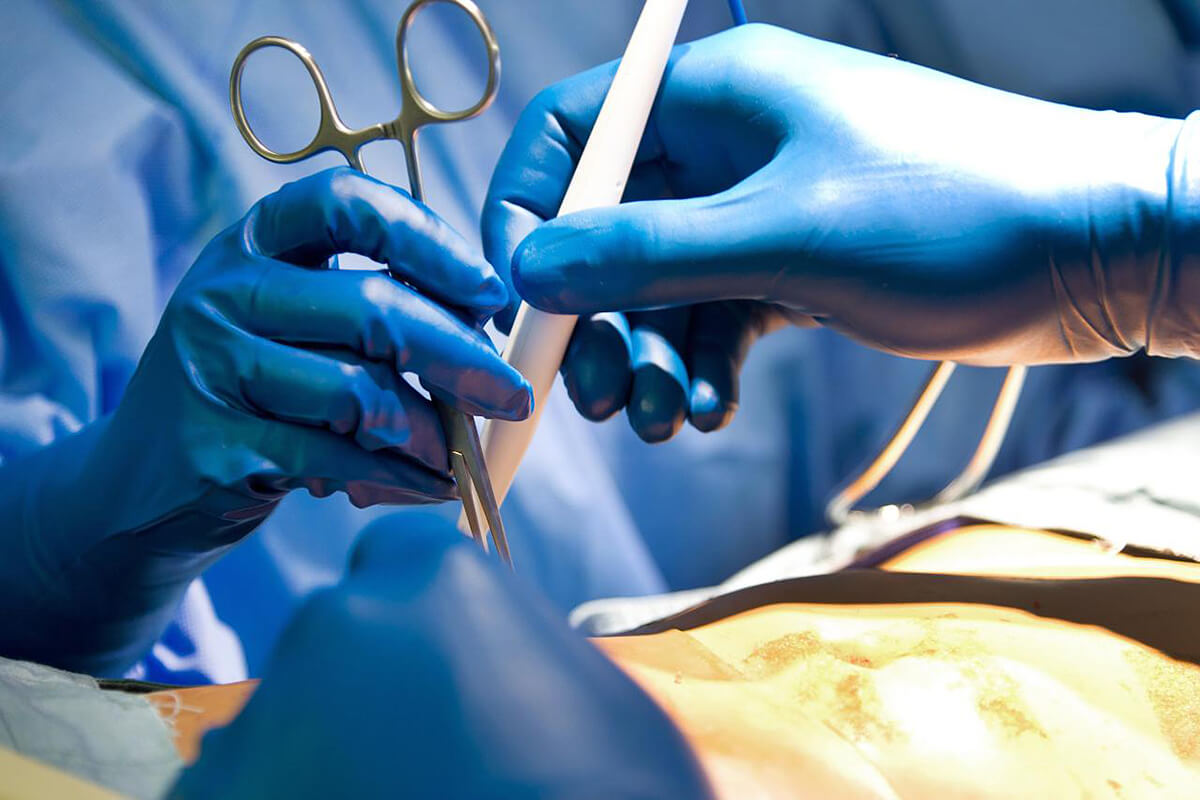
Surgery is usually performed under general anesthesia or deep sedation and takes between two and four hours depending on the complexity. Most patients stay in Korea for seven to fourteen days. Swelling and discomfort are normal in the first week and are managed with prescribed medication. A soft diet is required during the healing period. Your surgeon will place a temporary set of teeth so you are never without a smile during recovery. For detailed information on surgical techniques and what to expect, you can check this guide prepared by experienced implant specialists.
Follow-up and Results
Full osseointegration, meaning the implant fully fusing with the cheekbone, takes around three to six months. After this period, your permanent prosthesis is fitted. Many clinics offer remote follow-up consultations for international patients so you can check in from home. With proper oral hygiene and regular dental visits, zygomatic implants can last for decades. Success rates in published studies consistently exceed 95 percent over ten-year periods. For comprehensive details on long-term outcomes and patient care protocols, more information is available from Seoul-based implant centers.
Conclusion
A zygomatic implant in Korea offers a reliable, cost-effective solution for patients with severe upper jaw bone loss. With skilled surgeons, modern facilities, and transparent pricing, Korea stands out as a smart choice for this complex procedure. Whether you need a single implant or a full quad zygoma reconstruction, you can find the right care in Seoul at a price that makes sense.
Ready to take the next step? Contact us on WhatsApp today for a free consultation. Share your X-rays or CT scans and our team will connect you with a qualified zygomatic implant specialist in Korea. We will help you with clinic matching, cost estimates, and travel planning so your journey is as smooth as possible.
“`